
What Should Athletes Eat Before a Game?
If you’re an athlete, one of the most common questions before competition is: What should I eat before a game? The answer is not one perfect meal. It depends on the timing, the sport, your body, and what feels good in your stomach.
That said, there are a few helpful basics.
In general, athletes do best with a pre-game meal or snack that includes carbohydrates for energy, some protein for steadiness and satisfaction, and fluids for hydration. Carbohydrate is especially important because it helps top off glycogen stores, which your muscles rely on during exercise. Sports nutrition guidance commonly recommends carbohydrates before exercise, with larger amounts when there is more time before the event. Adequate fluid intake beforehand also matters for both performance and safety.
Why eating before a game matters
Going into a game underfueled can make it harder to feel strong, focused, and energized. Food before competition helps support blood sugar, gives your muscles accessible energy, and can make long or intense activity feel more manageable. Position statements from the Academy of Nutrition and Dietetics, Dietitians of Canada, and the American College of Sports Medicine emphasize that well-timed nutrition strategies can enhance performance and recovery.
This does not mean you need to obsess over every bite or eat “perfectly” to play well. It means your body deserves fuel, and eating before a game is part of supporting performance.
The simplest way to think about a pre-game meal
A good pre-game meal is usually:
Higher in carbohydrates
Moderate in protein
Lower in fat and fiber if you get stomach issues before competition
Familiar foods you already know sit well
Paired with fluids
Carbohydrate is the main focus because it is a key fuel source for moderate to high intensity activity. Meals very high in fat or fiber may slow digestion and can increase the risk of GI discomfort for some athletes when eaten close to game time.
What to eat based on timing
If your game is 3 to 4 hours away
This is a good time for a fuller meal. Include carbs, protein, and something to drink.
Examples:
Pasta with grilled chicken and fruit
Rice bowl with tofu or chicken and a roll
Turkey sandwich, pretzels, and applesauce
Bagel with peanut butter, yogurt, and a banana
Oatmeal with fruit, nuts, and milk
When athletes have a few hours before exercise, sports nutrition guidance often suggests a larger carbohydrate-containing meal.
If your game is 1 to 2 hours away
Go a little lighter and keep it easier to digest.
Examples:
Bagel and yogurt
Cereal with milk
Toast with peanut butter and banana
Granola bar, fruit, and string cheese
Smoothie with fruit, milk, and yogurt
If your game is less than 1 hour away
Keep it simple and carb-forward.
Examples:
Banana
Applesauce pouch
Graham crackers
Dry cereal
Pretzels
Sports drink if needed
For events lasting over an hour, carbohydrate availability becomes especially important. For some athletes, even small amounts of carbohydrate close to exercise can help performance.
Best foods to eat before a game
The “best” foods are the ones that give you energy and sit well in your body. Good pre-game options often include:
Bagels
Toast
Fruit
Applesauce
Oatmeal
Cereal
Rice
Pasta
Crackers
Pretzels
Yogurt
Milk
Smoothies
Sandwiches
A lot of athletes do well with foods that are familiar, portable, and easy to digest.
What athletes may want to avoid right before a game
This is very individual, but some athletes feel better limiting certain foods immediately before competition, especially if they are prone to reflux, cramping, nausea, or bathroom urgency.
Sometimes tougher foods to eat right before a game include:
Very greasy or fried meals
Very spicy foods
Large heavy meals too close to game time
High-fiber foods right before intense activity
Supplements or energy drinks you haven’t tried before
Energy drinks can be risky, particularly for younger athletes or people sensitive to caffeine, and they are not the same as a balanced pre-game snack or meal.
Don’t forget hydration
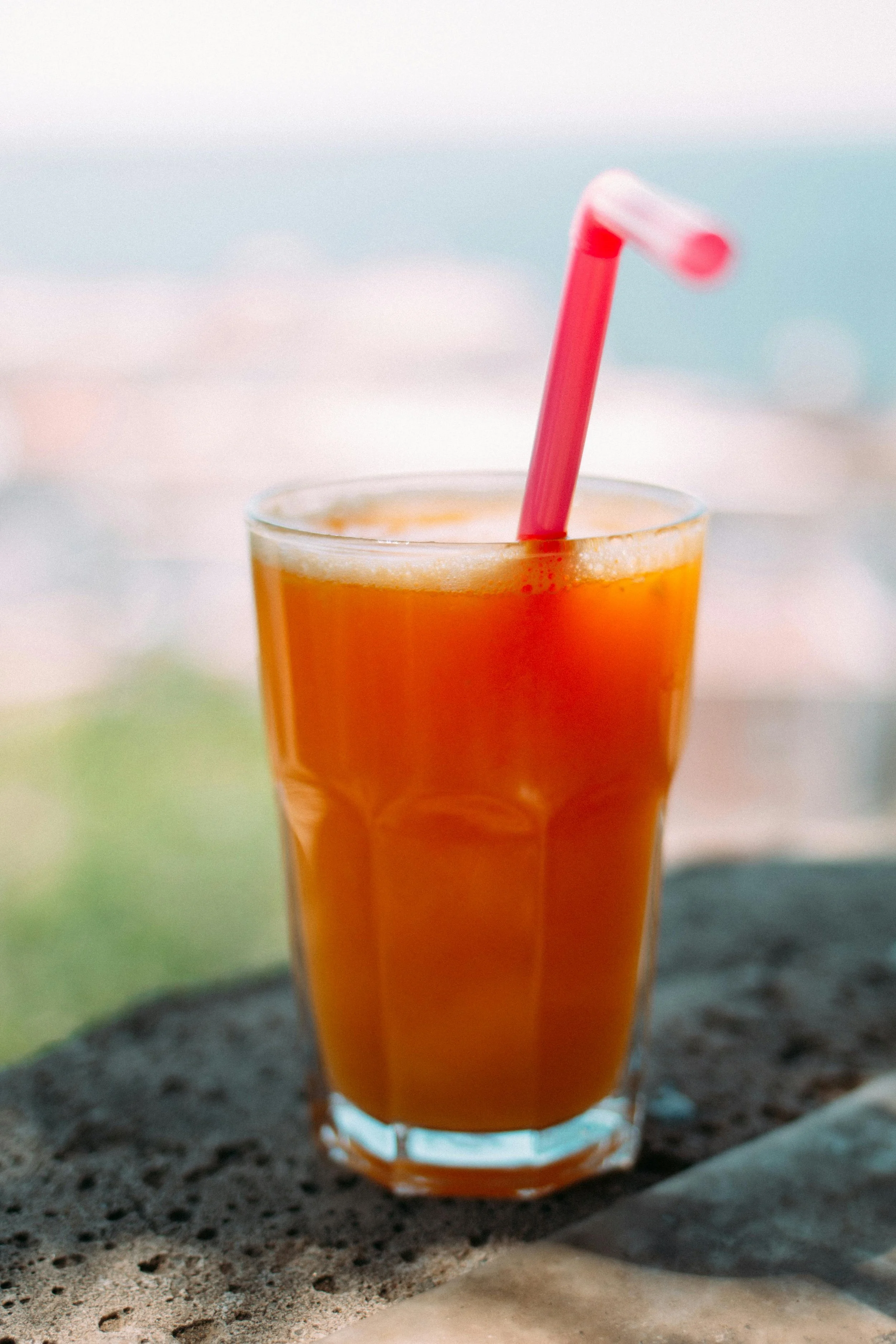
Food matters, but hydration matters too.
Athletes should start exercise already hydrated, and fluid needs increase in hot conditions and during longer events. NCAA and ACSM resources both emphasize hydration as part of performance support.
A simple approach:
Sip fluids throughout the day
Have something to drink with your pre-game meal or snack
Consider electrolytes for long games, doubleheaders, or hot environments
What about protein before a game?
Protein matters, just not usually as the main focus right before competition.
Adding some protein to a pre-game meal or snack can help with satisfaction and make the meal feel more balanced. But loading up on protein alone without enough carbs may leave an athlete underfueled for activity. Sports nutrition guidance consistently highlights the importance of timing both carbohydrate and protein appropriately across the day.
Sample pre-game meals for athletes
Here are a few realistic examples:
Morning game
Bagel with peanut butter
Banana
Yogurt
Milk
Afternoon game
Turkey sandwich
Pretzels
Orange slices
Juice
Evening game
Rice bowl with chicken
Fruit
Crackers before warm-up if needed
Fluids throughout the afternoon
For athletes with a nervous stomach
Toast
Banana
Applesauce
Smoothie
Pretzels
A note for high school and college athletes
A lot of athletes are not underperforming because they “aren’t disciplined enough.” They are often just not eating enough, not eating early enough, or not eating consistently enough.
Classes, nerves, early bus rides, limited food access, and packed schedules can all make fueling harder. That’s why having a simple plan helps.
Final thoughts: What should athletes eat before a game?
Before a game, aim for:
Carbs for quick and reliable energy
A little protein
Fluids
Foods you know your body tolerates
Timing that matches your schedule
There is no one perfect pre-game meal. The goal is not eating “clean” or earning performance through restriction. The goal is to help your body feel fueled, steady, and ready to compete. If you’re an athlete struggling with low energy, stomach issues before competition, or confusion around sports nutrition, working with a dietitian can help you build a plan that actually fits your sport and your real life. Reach out to connect with an athlete dietitian.
Frequently Asked
-
Usually both, but carbs are the main priority before competition because they provide readily available energy for exercise.
-
Simple, familiar foods like toast, banana, applesauce, crackers, or a smoothie may be easier to tolerate.
-
Most athletes perform better when they eat something beforehand, especially for longer or more intense activity.