Navigating Eating Disorder Recovery When a Loved One Is Dieting
Recovering from an eating disorder (ED) is hard enough on its own. When you spend time with a loved one who is actively dieting, tracking food, or talking about weight loss, recovery can feel even more complicated than usual.
If you’re in eating disorder recovery and sharing space with a partner, roommate, parent, or family member who is dieting, you are not failing because it feels hard. This situation creates real, understandable challenges. The good news is that recovery can continue, even in imperfect environments, when you have the right tools, support, and understanding of what’s happening internally and externally.
Why Loved Ones Dieting Can Be So Triggering
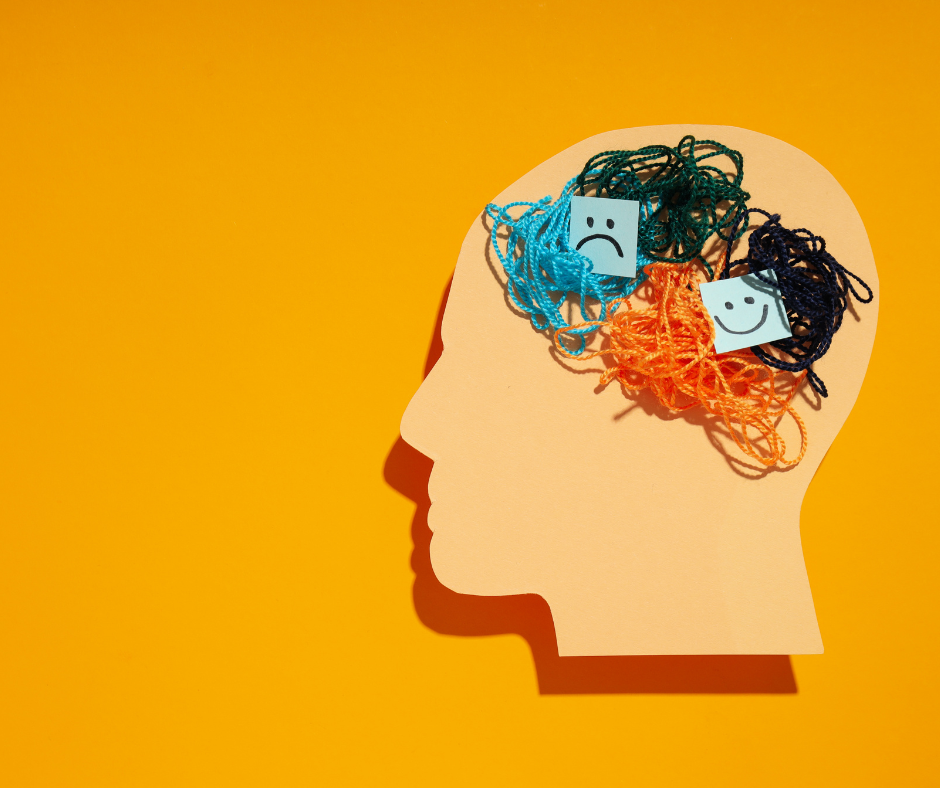
Eating disorder recovery often involves unlearning diet culture, rebuilding trust with your body, and creating a sense of food safety. Dieting behaviors, even when not directed at you, can disrupt that process.
Common triggers include:
Food rules or labeling foods as “good” or “bad”
Calorie, macro, or weight tracking
Skipping meals or fasting
Body checking or weight-loss talk
Moralizing hunger, fullness, or eating
Even if the other person means well, these behaviors can:
Reinforce old ED thoughts
Increase comparison and self-criticism
Trigger urges to restrict, purge, or compensate
Make shared meals feel unsafe or stressful
Important reminder: Feeling triggered does not mean you’re “too sensitive.” Your nervous system is responding to cues that once reinforced survival strategies.
Understanding Triggers Through the ARMS Model
Catherine Cook Catone’s ARMS Attuned Representational Model of Self model (often illustrated as an infinity symbol) represents the ongoing interplay between:
Internal experiences (bodily sensations, thoughts, emotions)
External circumstances (family dynamics, community, and culture)
At the center is your most regulated, attuned self.
When external pressures, such as living with someone who is dieting, become intense, they can pull you out of regulation. In those moments, eating disorder symptoms may resurface as the body and brain’s best attempt to get back to a sense of control or safety.
Seen through this lens, ED behaviors aren’t failures. They’re signals that something in the environment is overwhelming your system. Recovery, then, is not about avoiding triggers altogether, but about practicing ways to return to the center when you’re pulled off balance.
You are Allowed to Protect Your Recovery (Even if Others don’t Understand)
One of the hardest parts of this situation can be the internal conflict:
“I don’t want to control what others eat.”
“But this is really hurting my recovery.”
Both can be true. You are not asking for too much by wanting your life (or parts of it) to feel safer for healing. Recovery requires environmental support, not just willpower. Protecting your recovery is not selfish. It’s necessary.
Naming the Emotional Layers that Can Come Up
Being around someone who is dieting during ED recovery can stir up complex feelings, such as:
Anger: “why does their diet matter more than my recovery?”
Shame: “why can’t I just ignore it?”
Grief: for a time when food felt easier or more neutral
Fear: of relapse, weight changes, or losing progress
Loneliness: feeling unseen or not understood
Acknowledging these emotions rather than judging them is an important part of healing.
Practices That Support Inner and Outer Attunement
Catherine Cook-Cottone emphasizes practices that strengthen both inner regulation and resilience in the face of external stressors. One such practice is Intuitive Eating (IE).
Intuitive Eating supports recovery by helping you:
Listen to and respond to your body’s signals
Build trust with hunger, fullness, and satisfaction
Shift away from restriction and moralized food rules
Develop a more compassionate relationship with your body
Other supportive practices include:
Body acceptance and appreciation
Self-compassion
Gentle, attuned movement
Addressing basic physical needs (rest, nourishment, comfort)
These approaches don’t require loving your body or liking how it looks. Instead, they help build a more resilient relationship with your body. One that can withstand external pressures.
In isolation, these skills can feel straightforward. Challenges arise when you “bump into” external circumstances ( like living with someone who is dieting) that shake your confidence. These moments, while difficult, also become opportunities to practice returning to regulation. Living with someone who is dieting can be challenging, but it's important to stay focused on your goals and values. Here are some strategies to help you stay on track:
Clarify What Specifically Feels Triggering: Before addressing the situation, it can help to get specific:
Is it food talk?
Numbers (calories, weight, macros)?
Certain foods disappearing from shared spaces?
Comments about bodies or hunger?
Knowing what impacts you most makes boundaries clearer and more effective.
Communicate Openly: Have a candid conversation with your loved one about your recovery journey and the importance of your self-care practices. Sharing your goals and needs can foster mutual understanding and support.
Create a Safe Environment: Ensure that your home environment supports your recovery. This might involve keeping certain foods on hand that align with your recovery practices or setting boundaries around conversations related to dieting and weight.
Seek Support: Connect with a support network, whether it's friends, family, or a support group. Having people who understand and support your journey can provide encouragement and a sense of community.
Focus on Your Journey: Remember that your path to recovery is unique. What works for others, including those dieting, may not work for you. Stay committed to what feels right for your body and mind.
Engage in Positive Practices: Embrace activities that promote well-being and body positivity, such as yoga, meditation, or spending time in nature. These practices can help you stay grounded and focused on your recovery.
Build your Self-Care Tool Box:
Fill your toolbox with ideas and tangible objects to help you when you are struggling, such as:
Essential oils
Scented candles
A playlist of your favorite songs
Warm socks
Cozy pants
Accessible hiking trails
Books
Postcards to write to others or yourself
Photographs of a loved one or a beloved place
Favorite foods (yes, your toolbox can include favorite foods that you enjoy and give you satisfaction)
If you have ever worked with me, you are familiar with my buzz words: self-discovery, autonomy, and choice. My hope for you is that you feel comfortable in your body and can learn to tune in enough to make internally-driven choices based on how you feel, what you need, and even what you like.
At CV Wellbeing, we strive to bring joy back into eating and movement, filling your toolbox with self-care techniques to help you flourish. The ARMS model is such a great illustration of the dynamic interplay between your inner and outer experiences and offers a new lens for practice.
Need eating disorder nutrition support in Vermont, Maine, New Hampshire, or Massachusetts? Learn more about working with a non-diet dietitian at CV Wellbeing. Please reach out to our team of skilled registered dietitians. Our doors are open, and we want you to be the best possible version of YOU!