Welcome to the CV Wellbeing Blog
Thoughtful Conversations about nutrition and health, for living fully.

How to Challenge the Food Police
Food rules can create guilt, fear, and constant second-guessing around eating. Learn how to challenge the food police and build a more peaceful relationship with food.
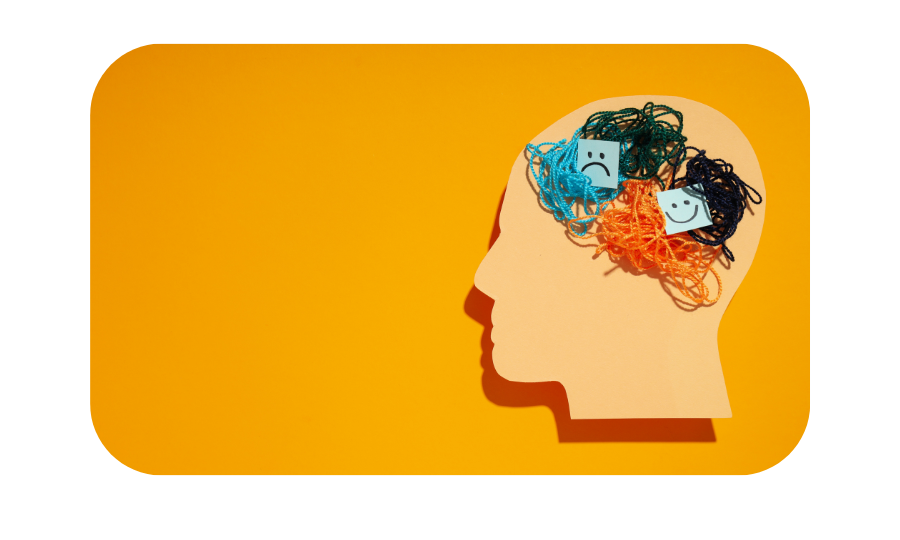
Navigating Eating Disorder Recovery When a Loved One Is Dieting
Recovering from an eating disorder is challenging enough, but when a loved one is dieting, tracking food, or talking about weight loss, recovery can feel even harder. If this situation feels triggering or overwhelming, you are not failing. In this article, we explore why loved ones’ dieting can disrupt recovery, how the ARMS Attuned Representational Model of Self helps explain these reactions, and practical, compassionate strategies to protect your healing while living in an imperfect environment.
Binge-Restrict Cycle 101: How Hormones and Restriction Are Connected
Ever try to “be good” with food all day, only to end the night feeling out of control? That isn’t a willpower problem. It’s your body’s protective response to restriction, fueled by powerful hunger, stress, and survival hormones. Understanding how hormones like ghrelin, leptin, and cortisol impact the binge-restrict cycle can help you move out of shame and into connection with your body.

Maine Eating Disorder Treatment: Finding Support
Looking for eating disorder treatment in Maine? Learn what support can look like, from outpatient nutrition counseling to higher levels of care, and how to find compassionate, weight-inclusive support that fits your needs.

How to Support a Loved One with Eating Disorder Recovery
Many people feel lost when they are trying to support a loved one with an eating disorder. What do I say? More importantly, what do I not say? This blog post will answer some of these questions along the way.

Eating Disorder Awareness: Key Facts, Signs, & Support
What has your experience or exposure been related to disordered eating? Do you have the right tools or resources to support yourself or someone else? Are you looking to spread awareness and share the prevalence of eating disorders throughout your profession or community? There is no better time to increase awareness and advocacy as this week is National Eating Disorder Awareness Week.
New here?
Check out our blog’s most popular posts!


